
public
Recognizing signs of gambling addiction A guide for everyone
Recognizing signs of gambling addiction A guide for everyone
Understanding Gambling Addiction
Gambling addiction, often referred to as compulsive gambling or gambling disorder, is a behavioral condition that affects a person’s ability to resist the urge to gamble. This addiction can manifest through a persistent preoccupation with gambling, often leading to adverse consequences in various aspects of life, including relationships, finances, and overall mental health. The thrill of winning can create an almost irresistible urge, making it difficult for individuals to recognize the harmful effects of their behavior. As players engage more frequently, it may be useful to consider options like the velobet casino login to manage their accounts responsibly.
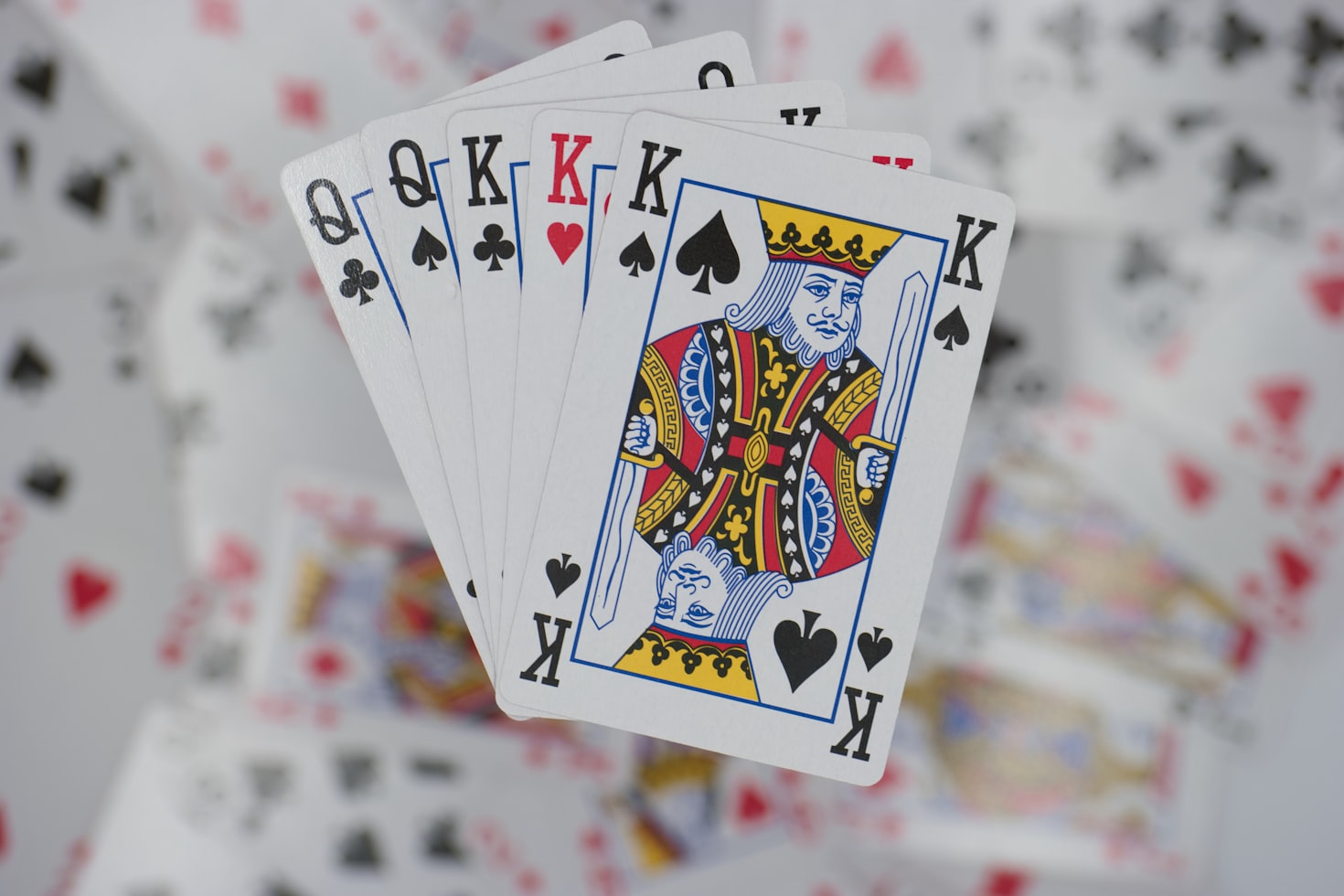
People with gambling addiction may experience a cycle of winning and losing, which can further entrench their compulsive behavior. Initially, wins can create a sense of euphoria, leading them to gamble more frequently. Over time, losses may lead to increased gambling in an attempt to recover lost money. This cycle can be devastating, often resulting in substantial financial losses, which only reinforces the addiction as individuals find themselves trapped in a loop of desperation.
It is crucial to understand that gambling addiction can affect anyone, regardless of age, gender, or socioeconomic status. While some individuals may perceive gambling as a harmless pastime, for others, it can escalate into a serious addiction that warrants attention and intervention. Recognizing the signs early can make a significant difference in addressing the issue effectively.
Common Signs of Gambling Addiction
One of the most notable signs of gambling addiction is the inability to control the urge to gamble. Individuals may find themselves placing bets even when they know they cannot afford to lose. This lack of self-control can lead to mounting debts and financial strain. Moreover, individuals may justify their behavior by convincing themselves that they will win back their losses, which creates a false sense of hope and prolongs the addiction cycle.
Another common sign is the tendency to isolate oneself from friends and family. Those struggling with gambling addiction may avoid social situations, fearing judgment or concern from loved ones regarding their gambling habits. This isolation can further compound feelings of guilt and shame, leading to a downward spiral of emotional distress and deepening the addiction.
Additionally, many individuals exhibit changes in mood or behavior as their gambling addiction progresses. They might become irritable or anxious when not gambling and may experience depression as a result of their gambling losses. Recognizing these behavioral shifts is essential for both the individual and their loved ones, as they can serve as indicators of a deeper problem that needs addressing.
The Impact of Gambling Addiction on Life
The repercussions of gambling addiction can be far-reaching, often impacting personal relationships, professional life, and emotional well-being. Financial difficulties are perhaps the most immediate consequence, with individuals accruing debt and potentially facing bankruptcy. This financial strain can lead to arguments and tension within families, causing significant rifts and even the breakdown of relationships.
On a professional level, gambling addiction can jeopardize one’s job stability. Frequent absences, decreased productivity, and an inability to focus due to preoccupation with gambling can result in disciplinary action or termination. The workplace environment may become a source of stress, compounding feelings of inadequacy and driving the individual further into isolation.
Emotionally, gambling addiction can lead to severe mental health issues, including anxiety and depression. The shame associated with losses and the ongoing struggle with addiction can create a sense of hopelessness. It’s essential to recognize that these emotional consequences can be debilitating and often require professional help to navigate effectively.
How to Seek Help for Gambling Addiction
If you or someone you know is displaying signs of gambling addiction, it is vital to seek help. The first step is often acknowledging the problem and understanding that it is not a sign of weakness but rather a challenge that can be overcome. Various resources are available, including counseling and support groups that focus on compulsive gambling. These platforms provide a safe space for individuals to share their experiences and learn from one another.
Professional treatment may involve therapy, such as cognitive-behavioral therapy (CBT), which can help individuals reframe their thoughts around gambling and develop coping strategies. In some cases, medication may be prescribed to manage underlying mental health issues, such as anxiety or depression, that may accompany gambling addiction.
Moreover, support networks can play a crucial role in recovery. Engaging with friends and family members for support can help individuals stay accountable and motivated in their journey toward recovery. It’s important for loved ones to approach the topic with empathy and understanding, creating an open dialogue that encourages healing and recovery.

Responsible Gambling and Online Resources
Responsible gambling is an essential aspect of enjoying games of chance without falling into the pitfalls of addiction. Many platforms promote responsible gaming practices, offering tools that allow players to set limits on their gambling activities. These features can include setting deposit limits, time-outs, and self-exclusion options to help players maintain control over their gaming habits.
Online resources are increasingly available to educate individuals about the risks associated with gambling and provide support for those struggling with addiction. Websites often contain valuable information, including warning signs, self-assessment quizzes, and links to professional help. Engaging with these resources can help individuals make informed decisions about their gambling habits.
Ultimately, ensuring a safe and enjoyable gambling experience is paramount. Players should actively seek out platforms that prioritize responsible gaming and offer resources for those in need. By staying informed and aware, individuals can enjoy gambling as a form of entertainment while minimizing the risks associated with addiction.
